Silica Sol Investment Casting Enters High-Quality Development Period, Overseas Demand for High-End Castings Keeps Rising
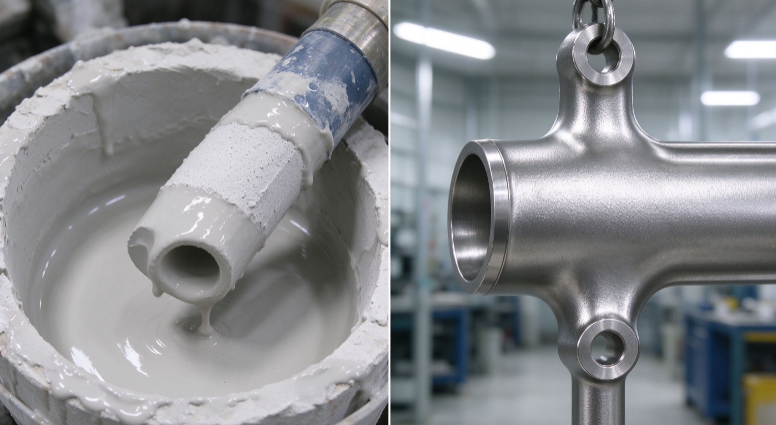
Driven by the global upgrading of construction machinery, hydraulic valve, marine, oil equipment and automotive component supply chains, buyers are raising stricter standards on casting tolerance, surface finish, material consistency and non-destructive testing. Silica sol investment casting, as the premium lost-wax casting process, is seeing steady market growth and becoming a key competitive advantage for Chinese precision foundries.Different from sodium silicate casting, silica sol casting uses colloidal silica as the binder for ceramic shells. With zircon flour for face coat and controlled temperature & humidity shell building, the shell features low impurity and high thermal stability. It can deliver castings within CT4–CT6 tolerance, surface roughness Ra1.6–6.3μm, and form thin-wall, intricate and irregular geometries with near-net-shape performance. It reduces CNC machining allowance and cuts downstream processing cost for buyers. This process supports carbon steel, alloy steel, 304/316L stainless steel, duplex stainless steel, WCB/WCC and more engineering grades, widely used for pressure parts, hydraulic components and corrosion-resistant spare parts for export.The industry is undergoing obvious transformation. Overseas buyers are phasing out low-precision castings and prefer silica sol castings. Meanwhile, qualified foundries upgrade shell-making workshops, melting control and inspection systems. 3D printed wax patterns for rapid prototyping, digital process recording and PT/MT/UT testing are widely adopted to support small-batch sampling and custom orders.The main challenge of silica sol casting lies in long drying cycle, strict climate control and higher raw material cost. Leading manufacturers optimize slurry formula, drying parameters and gating simulation to improve yield and balance quality & lead time.In overseas markets, custom inquiries for forklift parts, hydraulic bodies, marine fittings and oil machinery components from Europe and North America remain active. Buyers focus on material certificates, NDT reports and full traceability. Besides, silica sol casting is ammonia-free and eco-friendly, which meets international environmental regulations.Going forward, silica sol investment casting will develop toward higher precision, digital production, flexible sampling and sustainable manufacturing. Foundries with custom drawing capability, reliable material control and stable delivery will gain more opportunities in global precision casting supply chains.