Strengthening Downhole Operation Safety: Cable Protectors Become Essential for Oil & Gas Production
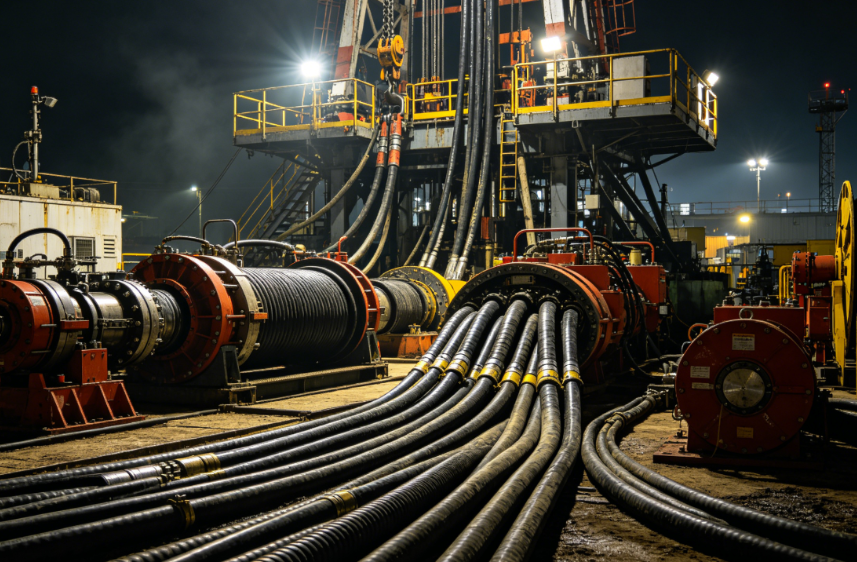
In oil and gas extraction, especially for electric submersible pump (ESP) downhole operations, cables serve as the core carrier of underground power transmission, directly affecting well stability and operational safety. Many practitioners question whether oilfield cable protectors are mandatory accessories. Industrial practices and safety standards give a clear answer: for regular downhole oil and gas operations, cable protectors are not optional, but essential equipment to ensure production safety and reduce losses.Downhole oil and gas environments are harsh and complex. Sharp tubing threads, friction and extrusion during pipe running and pulling, as well as underground high‑pressure vibration, can easily damage cable jackets and strain inner conductors, causing electric leakage and short circuits. This may lead to total cable failure and high replacement costs, or burn downhole motors and surface control cabinets, resulting in well shutdowns, construction delays, severe economic losses and safety hazards.In terms of industry standards, CNPC, Sinopec and major overseas oilfields have formulated clear downhole cable protection regulations. ESP‑cable operations without qualified cable protectors fail construction inspections and are prohibited from running downhole. Cable protectors effectively shield cables from tubing impact and friction, avoid extrusion and torsion risks, extend service life significantly and reduce failure rates.Only surface cables and temporary small‑scale operations in ultra‑shallow wells are exempted. For conventional wells, long‑term production wells and ESP‑supported operations, installing cable protectors has become an industrial consensus and rigid requirement. As oil and gas extraction expands to deep and complex wells with harsher downhole conditions, high‑performance cable protectors are becoming indispensable for safe, stable and efficient oil and gas production.