2026 New Technology Upgrade: How Modern Investment Casting Reshapes High-Precision Manufacturing
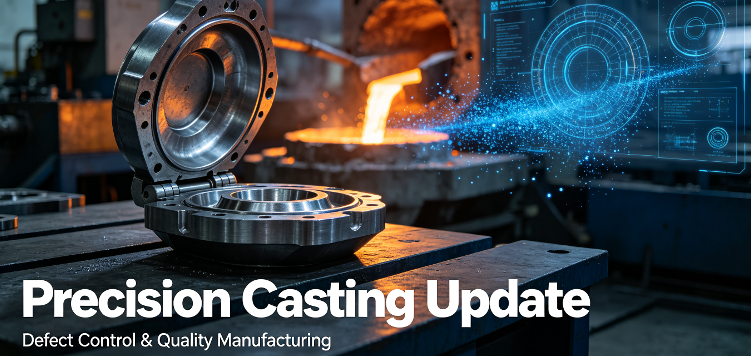
September 2, 2026 — The global investment casting industry is embracing comprehensive technological upgrades in 2026, driven by growing demand for high-precision components in aerospace, petroleum machinery and engineering equipment. Traditional casting manufacturing is evolving toward high-precision, low-defect and digital production to meet stricter industrial quality standards.The global investment casting market maintains stable growth, valued at USD 20.52 billion in 2026, with a projected CAGR of 5.4% through 2036. The industry’s core development trend is shifting from rough casting to near-net-shape precision manufacturing, which effectively reduces material waste and secondary machining costs, delivering higher cost performance for industrial procurement.Digital process optimization has become a core competitive advantage for modern foundries. Widely adopted casting simulation software accurately simulates molten metal filling and solidification processes. It helps engineers optimize gating and riser systems, eliminate hot spots, and prevent common defects like shrinkage porosity and cold shut, greatly improving casting qualification rates and production stability.Optimized wax pattern molding and precision mold manufacturing further enhance product consistency. Combined with mature silicon sol and water glass casting processes, manufacturers can flexibly meet diverse demands: silicon sol casting delivers CT6-CT7 high precision for stainless steel and alloy parts, while cost-effective water glass casting suits mass production of carbon steel components.Supported by standardized whole-process quality control, heat treatment and non-destructive testing, modern investment casting is moving toward higher precision and greener production, serving as a core solution for global high-end mechanical component manufacturing.