Industrial Precision Casting for Global Applications
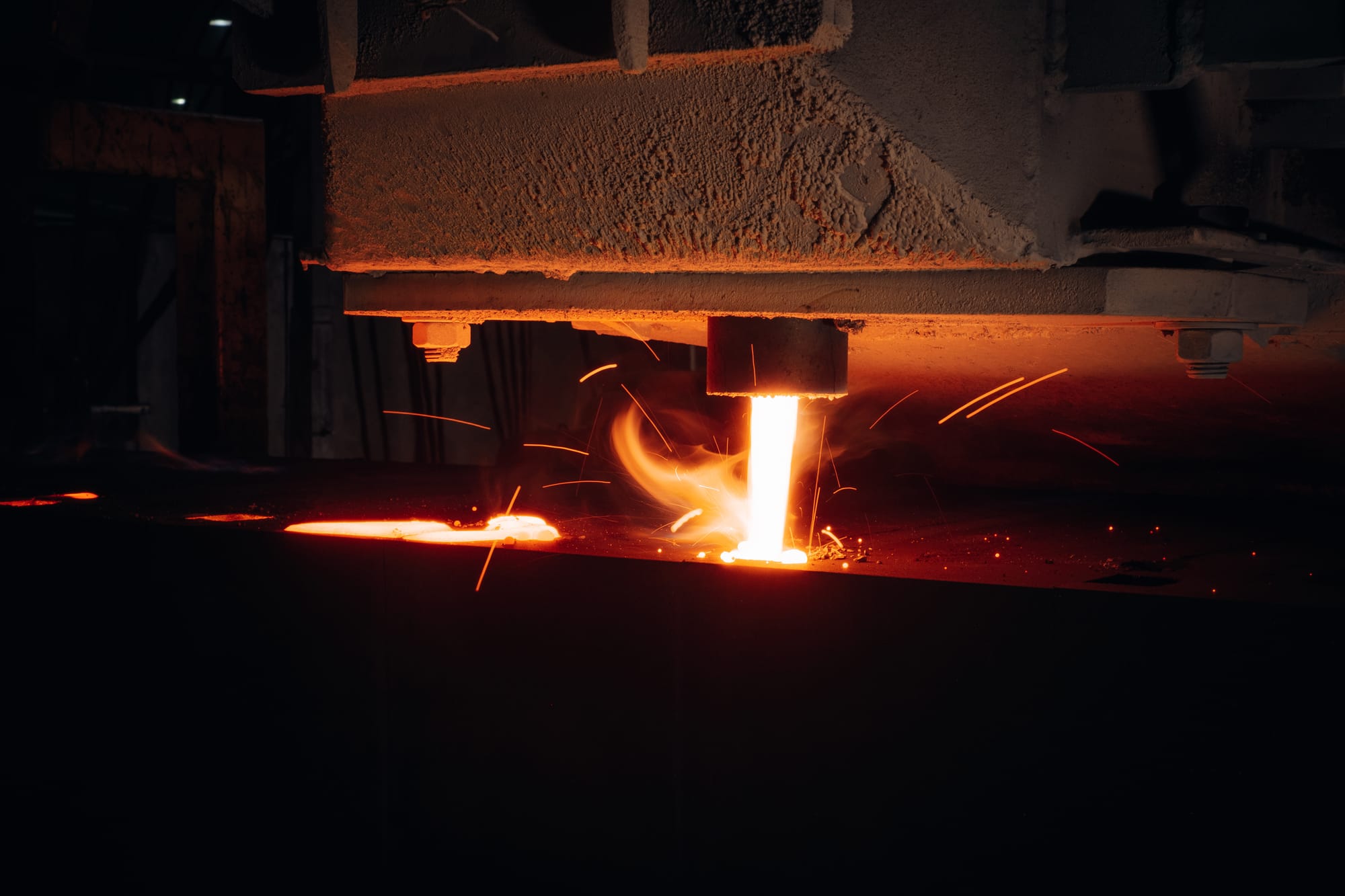
Precision Casting Manufacture in China, Industrial Precision Casting, English Version Guide: Top 15 Points for Buyers, Engineers, and Sourcing Teams
1) Define “Industrial Precision Casting” in Practical Terms
Meaning in manufacturing, industrial precision casting usually refers to near net shape metal parts produced with controlled dimensions, repeatable metallurgy, and stable surface quality, often requiring minimal machining to reach final tolerances.
Common processes, investment casting (lost wax), silica sol or water glass shell, ceramic shell variations, and in some cases precision sand casting when tolerances and surface finish targets are realistic for sand.
What makes it “industrial”, parts are used in demanding environments like pumps, valves, mining, oil and gas, chemical processing, automotive, rail, power generation, and general machinery. Requirements often include pressure containment, corrosion resistance, fatigue performance, and traceable quality.
Key deliverables, stable dimensions, consistent mechanical properties, verified chemical composition, controlled defect levels, and documentation such as material certificates, inspection reports, and process traceability.
2) Choose the Right Casting Process Based on Function, Not Habit
Investment casting for complexity, ideal for complex geometry, thin walls, internal passages that can be formed by cores, and parts where reduced machining is a major cost driver.
Silica sol versus water glass, silica sol often supports better surface finish and tighter dimensional control, water glass can be cost effective for larger, less cosmetic parts, and when machining allowances are acceptable.
Precision sand casting when size dictates, for large housings and frames where investment casting becomes expensive or impractical, precision sand casting can be a better balance, with clear agreement on tolerances and machining stock.
Hybrid route, casting plus CNC machining is common. The best sourcing strategy is to minimize total cost of ownership, not just casting price, by aligning casting accuracy with machining capability and inspection methods.
3) Start with a Clear “Part Requirement Sheet” Before Requesting a Quote
Geometry inputs, 2D drawings with GD and T requirements, 3D models (STEP preferred), and notes on critical surfaces, datum structure, and unresolved features.
Material standard, specify ASTM, EN, DIN, JIS, or GB equivalence, and include grade, heat treatment condition, and any restrictions like low sulfur, low phosphorus, or impact performance at temperature.
Service conditions, media type, temperature range, pressure range, cyclic loading, corrosion exposure, and expected life. These drive alloy choice and inspection plan.
Acceptance criteria, define what constitutes a defect, what NDT method applies, and which standard will be used for evaluation, such as ASTM E165, ASTM E1444, ASTM E1417, ASTM E446, ISO 9712, or customer specific rules.
Commercial targets, annual quantity, batch sizes, target lead time, packaging constraints, and whether you need the supplier to provide CNC machining, assembly, and coating.
4) Understand Typical Industrial Alloys, and Match Them to Application
Stainless steels, CF8, CF8M, CF3, CF3M, 304, 316, and duplex grades are common for corrosion resistance, especially in valves, pumps, impellers, and fittings.
Carbon and low alloy steels, such as WCB, 1020, 1045, and alloy steels like 4140, 42CrMo, and similar equivalents, used for strength, wear resistance, and cost effectiveness.
Heat resistant alloys, high chromium and nickel alloys for high temperature fixtures, furnace parts, turbo related components, and thermal cycling environments.
Wear resistant alloys, high manganese, high chromium irons, and specialized alloy steels for mining, crushing, slurry handling, and abrasion.
Aluminum and copper alloys, less common for heavy industrial pressure containment, but used for housings, brackets, and thermal applications where weight and conductivity matter.
5) Specify Dimensional Tolerances Realistically, and Tie Them to Measurement Plan
As cast tolerances, depend on process, part size, wall thickness, and gating design. Overly aggressive tolerances increase scrap risk and cost.
Critical features first, focus tight tolerances on datums, sealing surfaces, bearing bores, and interfaces. Keep non functional surfaces with looser tolerances.
Machining allowance strategy, define stock on machinable surfaces, and ensure allowance is enough to clean up but not excessive, because extra stock increases weight, melt cost, and machining time.
Gauge and CMM alignment, confirm how dimensions will be measured, using CMM, fixtures, go or no go gauges, or optical scanning. A tolerance is only meaningful if it can be verified consistently.
First article expectation, require first article inspection reports with measured features, equipment used, and revision control, especially for new tooling or new foundry development.
6) Design for Castability, and Reduce Risk Before Tooling
Uniform wall thickness, minimize sudden changes in section to reduce shrinkage porosity and hot tears. Use fillets and smooth transitions.
Fillets and radii, sharp corners concentrate stress and create feeding difficulties. Radii improve metal flow and strength.
Draft and accessibility, although investment casting needs less draft than sand, practical considerations still apply for pattern release, shell build, and finishing.
Core design, internal cavities require cores that must be stable during shelling and pouring. Agree on core material, venting, and cleaning requirements.
Simulation and DFM review, ask your supplier for gating and riser proposals, solidification simulation if available, and DFM feedback showing where defects could occur and how they will be controlled.
7) Tooling and Wax Pattern Control, What You Should Ask in English
Tooling ownership, clarify who owns injection dies, inserts, and gauges, and how they are stored and maintained.
Wax injection parameters, stable wax temperature, injection pressure, and cooling time reduce distortion and dimensional scatter.
Pattern inspection, measure wax patterns for critical dimensions, and track drift over time to prevent dimensional surprises in the final casting.
Die design details, parting line selection, gate location, shrink factor assumptions, and venting design should be documented for repeatability.
Change control, ensure any tooling modification requires documented approval, sample validation, and revision updates to drawings and inspection plans.
8) Shell Building and Dewaxing, Hidden Steps That Impact Quality
Slurry control, viscosity, pH, solids content, and temperature stability influence shell strength and surface finish.
Stucco selection, grain size and distribution affect permeability and shell integrity. Incorrect stucco can raise defect risk like scabs or inclusions.
Drying conditions, humidity and drying time affect shell cracking and strength. Poor drying increases spalling and surface defects.
Dewax method, steam autoclave dewaxing reduces shell cracking compared with uncontrolled burnout, and helps maintain good dimensional consistency.
Shell firing, firing temperature and soak time influence shell cleanliness and strength, and affect the likelihood of gas related defects.
9) Melting, Pouring, and Metallurgy Control for Industrial Performance
Charge material discipline, manage scrap and virgin inputs to keep chemistry stable, and prevent contamination from unknown scrap.
Deoxidation and slag control, proper refining reduces inclusions. Ask about slag removal and filtering methods.
Pouring temperature and time, too hot can increase reactions and grain coarsening, too cold risks misruns and cold shuts. Control improves both strength and appearance.
Grain refinement and inoculation, for certain alloys, controlled additions can improve microstructure and toughness.
Heat number traceability, every batch should be traceable from melt to castings, to support certification and root cause analysis if an issue appears.
10) Heat Treatment, Don’t Treat It as a Simple Checkbox
Purpose alignment, normalizing, quenching and tempering, solution annealing, stress relief, and aging all serve different performance goals. Choose based on service conditions.
Furnace capability, verify furnace type, temperature uniformity, calibration method, and whether controlled atmosphere is required for your alloy.
Quench control, water, polymer, or oil quench choices affect distortion and cracking risk, and must match geometry and alloy hardenability.
Verification, require hardness tests, tensile tests, and impact tests when relevant, and ensure test coupons represent actual casting conditions.
Distortion management, complex shapes may need fixtures or intermediate stress relief to control warping and to protect critical datums for machining.
11) Defect Types in Precision Castings, and How to Prevent Them
Porosity, shrinkage porosity may arise from inadequate feeding, gas porosity from moisture or reactions. Prevention includes gating optimization, shell permeability, melt cleanliness, and controlled pouring.
Inclusions, slag and refractory inclusions can appear if shell breaks down or melt is dirty. Prevention includes shell quality, careful handling, and melt filtering.
Hot tears and cracks, caused by restrained contraction and poor design transitions. Prevention includes radii, balanced sections, and optimized solidification sequence.
Cold shuts and misruns, occur if metal flow is insufficient due to low temperature, thin walls, or gating design. Prevention includes correct pouring temperature, gating design, and wall thickness adjustments.
Dimensional out of tolerance, caused by wax distortion, shell movement, or uneven cooling. Prevention includes wax control, fixture use, and disciplined process parameters.
12) NDT and Inspection, Build a Defect Detection Strategy That Matches Risk
Visual inspection, still essential for surface defects, parting line issues, and finishing marks. Define acceptance criteria for surface condition and cosmetic requirements.
Dimensional inspection, combine CMM for critical features with sampling plans for non critical features to control cost while maintaining confidence.
PT and MT, dye penetrant testing for non ferrous and stainless, magnetic particle testing for ferromagnetic steels, both good for surface breaking discontinuities.
RT and UT, radiography and ultrasonic testing for internal defects, typically applied to pressure retaining components or safety critical parts.
Leak and pressure tests, hydrostatic or pneumatic tests, specify pressure, hold time, medium, and safety controls, and define whether test is performed as cast or after machining.
13) Machining, Finishing, and Secondary Processes in One Controlled Flow
CNC machining integration, if the supplier offers machining, insist on a clear process route, datum plan, and inspection checkpoints that connect casting dimensions to machining outputs.
Grinding and blending rules, define how much blending is allowed, where it is prohibited, and how to avoid reducing wall thickness on pressure parts.
Thread and hole quality, specify thread standards, gauges, and requirements for tapped holes, inserts, helicoils, and sealing surfaces.
Surface treatment, passivation for stainless, polishing for flow surfaces, coating, painting, plating, or shot blasting. Specify roughness targets if function depends on it.
Cleanliness, for hydraulic and valve components, define cleanliness requirements, chip control, and packaging cleanliness to prevent contamination in service.
14) Documentation Package, What an Industrial Buyer Should Request
Material certificate, chemical composition and mechanical properties, linked to heat number and production batch, and aligned with your chosen standard.
Inspection reports, dimensional report, NDT reports with method, standard, inspector qualification, and results.
Process traceability, records for melting, heat treatment, and key parameters, especially for regulated industries.
Control plan and PFMEA, when maturity is needed, ask for process control plan, identified risks, and containment actions.
Change notifications, formal process for changes in raw material source, melting practice, tooling, heat treatment, subcontractors, and inspection methods.
15) Supplier Evaluation in China, How to Reduce Sourcing Risk
Factory capability audit, confirm in house processes versus outsourced steps, including shell building, melting, heat treat, machining, NDT, and packaging.
Quality management system, ISO 9001 is a baseline, for automotive consider IATF 16949, for pressure equipment consider applicable compliance and documentation discipline.
Equipment list verification, check melting furnaces, spectrometers, tensile testing, hardness, CMM, RT capability, and calibration status.
Reference parts, request similar part examples, with size, alloy, complexity, and inspection requirements comparable to your project.
Communication performance, fast and precise replies, clear technical English, and consistent follow up are practical indicators of long term project stability.
16) Cost Drivers in Precision Casting, and How to Optimize Without Sacrificing Quality
Alloy cost and melt yield, expensive alloys and low yield designs increase cost. Reduce unnecessary mass, and improve yield through gating optimization and part nesting strategy.
Complexity and finishing time, thin fins, deep pockets, and tight access areas require more shell labor and more finishing, increasing cost. Consider design simplification where function allows.
Tolerance tightness, demanding tolerances elevate scrap and inspection time. Apply tight tolerances only where necessary, and allow machining for the rest.
NDT intensity, 100 percent RT or UT greatly increases cost. Use a risk based approach, with sampling plans where permissible, and 100 percent where safety critical.
Heat treatment and machining, integrated supply can cut logistics and rework, but confirm capability. Sometimes separating the steps improves control, depending on the supplier network and your auditing strength.
17) Prototyping and Pilot Runs, Build Knowledge Before Scaling
Prototype intent, clarify whether prototypes are for design verification, process validation, or customer demonstrations. Each goal needs a different inspection depth.
Soft tooling options, for early development, discuss 3D printed patterns, temporary tooling, or simplified gating to speed learning, with the understanding that dimensions may shift when hard tooling is built.
Pilot run criteria, identify CTQ features, define capability goals, and measure variation. A pilot should produce data, not just parts.
Feedback loop, record nonconformities, root causes, and countermeasures, and formalize the updated process window for volume production.
Approval milestones, use staged approvals, such as drawing freeze, tooling approval, first article approval, pilot approval, then mass production release.
18) Quality Language in English, Phrases That Prevent Misunderstanding
Use “shall” for mandatory items, for example, “Chemical composition shall comply with ASTM A351 CF8M” is clearer than “should comply.”
Define sampling, use “100 percent inspection” or “sampling per AQL 1.0” and name the standard if applicable, to avoid vague promises.
Clarify “as cast” versus “after machining”, state which stage the requirement applies to, such as “Surface roughness Ra 3.2 after machining.”
Use CTQ terminology, “Critical to Quality features are marked with symbol X and require CMM measurement on every batch.”
Define rework limits, specify whether weld repair is allowed, where it is allowed, and which procedure and inspection must follow.
19) Weld Repair Policy, Essential for Industrial Precision Castings
Decide if weld repair is permitted, some pressure and rotating parts may prohibit weld repair entirely, while others allow it under strict procedures.
Procedure qualification, require qualified WPS and welder qualifications, and specify filler material compatibility with the base alloy.
Extent and location control, define maximum repair depth, prohibited zones near sealing faces or high stress areas, and whether multiple repairs are allowed.
Post weld heat treatment, some alloys require PWHT to restore properties and reduce residual stress, especially for low alloy steels.
Post repair inspection, mandate PT, MT, RT, or UT after repair depending on defect type and part criticality, and require repair maps for traceability.
20) Packaging, Rust Protection, and Export Logistics for Industrial Parts
Corrosion protection, apply VCI paper, rust inhibitor oil, or sealed bags, and specify duration and storage conditions, especially for machined surfaces.
Damage prevention, use foam, separators, and custom trays to protect edges, threads, and sealing faces, and prevent metal to metal contact that causes dents.
Labeling and traceability, label each part or bundle with part number, heat number, batch number, quantity, and revision, so warehouse receiving is efficient.
Export packing, specify fumigation requirements, pallet type, crate strength, and moisture protection for sea shipment.
Documentation readiness, packing list, commercial invoice, certificate set, and test records should be prepared and matched to shipment markings to prevent customs delays.
21) Common Industrial Applications, and What They Imply for Casting Requirements
Pumps and impellers, require smooth flow surfaces, balanced mass distribution, controlled corrosion resistance, and often tight dimensional control to avoid vibration and efficiency loss.
Valves and bodies, pressure containment drives the need for robust NDT, leak testing, controlled wall thickness, and strict documentation.
Industrial automation and robotics, parts may require high dimensional stability and clean, repeatable machining datums for assembly accuracy.
Mining and slurry, abrasion demands wear resistant alloys and sometimes thicker sections, with focus on impact strength and replaceable wear components.
Energy and power, high temperature or cyclic loads require heat resistant alloys, controlled heat treatment, and stricter reliability testing.
22) Sustainability and Responsible Manufacturing, What Buyers Can Measure
Yield improvement, better yield reduces energy per part. Ask the supplier how they track yield and scrap rates.
Recycling and scrap management, controlled scrap loops reduce cost and environmental impact, but must be managed to avoid chemistry drift.
Energy and emissions, electric induction furnaces, optimized melting schedules, and heat recovery can improve footprints. Buyers can request energy use statements where needed.
Chemical handling, shell building uses chemicals that require proper storage and disposal. Ask about compliance, training, and wastewater control.
Packaging reduction, reusable trays and optimized cartons can reduce waste, but must still protect precision surfaces and maintain traceability.
23) A Practical RFQ Checklist, Copy and Use for “Precision Casting Manufacture in China”
Part files, 2D PDF with revision, 3D STEP, and any assembly interface drawings.
Material, standard and grade, plus equivalent allowed or not allowed.
Heat treatment, required condition and target mechanical properties.
Quantity, prototype quantity, annual forecast, and batch size expectation.
Inspection, CTQ list, dimensional report requirement, NDT type and coverage, leak test requirements.
Surface, finish requirement, blasting, passivation, coating, and roughness targets where applicable.
Machining, included or excluded, datum strategy, and any special tooling or fixtures.
Documentation, MTC, inspection reports, NDT reports, traceability, and certificate language preference.
Packaging, rust prevention, labeling format, and pallet or crate requirements.
Commercial terms, target delivery, Incoterms, payment, and warranty or claim handling process.
24) Typical Mistakes in Industrial Precision Casting Projects, and How to Avoid Them
Over specifying everything, if every dimension is tight, cost and lead time rise sharply. Focus on functional requirements and CTQ dimensions.
Unclear acceptance standards, saying “no defects allowed” is not actionable. Define defect type, location rules, and evaluation standard.
Ignoring machining constraints, a casting can be perfect, but if machinability and fixturing are not considered, final part quality suffers. Align casting datum surfaces with machining needs.
Skipping pilot validation, moving directly to volume increases risk. Use pilot runs to verify capability and reduce surprises.
Weak change control, uncontrolled tooling changes, subcontractor changes, or material changes lead to drift. Demand documented change approval.
25) Final Tip, Build a Long Term Partnership Model for Stable Industrial Supply
Share forecast and usage data, suppliers can plan melt schedules and tooling maintenance better, improving stability and reducing lead time.
Use joint problem solving, when defects occur, ask for 8D reports, root cause analysis, and verification of corrective actions, not just sorting.
Standardize communication, unify drawing revisions, file naming, inspection templates, and labeling rules to reduce errors across shipments.
Continuous improvement, set targets for scrap reduction, yield improvement, and lead time reduction, and track them quarterly.
Protect the process window, stable industrial precision casting depends on stable process variables. Encourage the supplier to lock down key parameters and monitor them with SPC where feasible.
Industrial Precision Casting English Terms Glossary, Quick Reference for Buyer and Supplier Alignment
Investment casting, a casting process using wax patterns and ceramic shells to achieve high detail and good surface finish.
Near net shape, a part produced close to final geometry, minimizing machining.
Gating system, channels that guide molten metal into the mold cavity.
Riser, a reservoir of molten metal that feeds the casting during solidification to reduce shrinkage defects.
Shell, the ceramic mold built around the wax pattern.
Dewaxing, removal of wax from the ceramic shell prior to pouring.
Heat number, identification number tracing parts to a specific melt or heat.
NDT, non destructive testing methods such as PT, MT, RT, and UT.
CTQ, critical to quality dimension or characteristic requiring enhanced control.
First article inspection, detailed dimensional and quality verification of initial production parts.
Summary List, The 10 Most Actionable Takeaways
Define requirements clearly, provide drawings, service conditions, and acceptance standards in English that leaves no ambiguity.
Match process to part needs, choose investment casting, silica sol, water glass, or precision sand based on function and total cost.
Control metallurgy, require traceable chemistry and verified mechanical properties, not just visual appearance.
Design for castability, improve radii, wall transitions, and core stability to reduce defects and cost.
Focus on CTQ dimensions, avoid making every feature a tight tolerance requirement.
Plan inspection properly, align NDT coverage with risk, and specify standards and acceptance criteria.
Integrate machining wisely, align casting datums, allowances, and inspection to machining route.
Request complete documentation, MTC, inspection reports, NDT reports, and change control records.
Audit supplier capability, confirm real equipment, process ownership, and calibration, not just certificates.
Build partnership stability, share forecasts, run pilot validation, and drive continuous improvement for long term industrial supply.