Global Precision Casting Pricing: Unpacking the Key Factors Shaping Costs in 2026
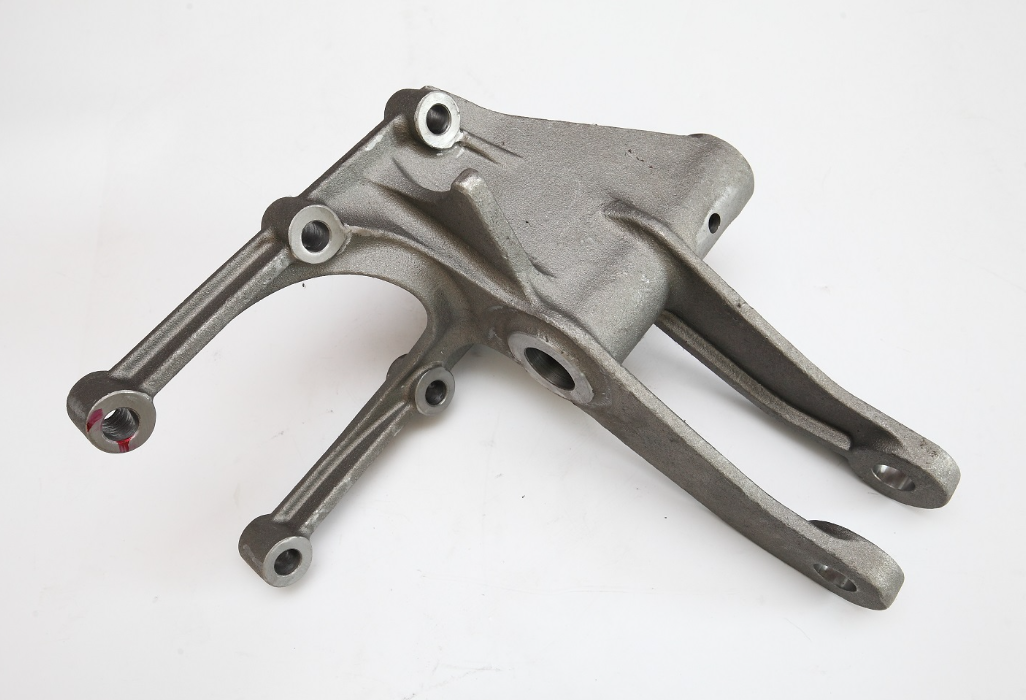
WEIFANG, China, April 12, 2026 — As global demand for high-precision metal components surges across aerospace, automotive, energy, and industrial machinery sectors, understanding the dynamics of precision casting pricing has become critical for buyers, engineers, and supply chain professionals worldwide. A new industry analysis reveals that precision casting quotes are not arbitrary figures but a complex calculus shaped by material, design, process, quality, and market variables.Material Selection and Market Volatility: The Foundation of CostAt the core of every precision casting quote lies the raw material. Common carbon steels serve as the baseline, but prices escalate dramatically with alloy content. Stainless steels (304, 316, 2205), essential for corrosion-resistant applications in oil & gas and food processing, cost 2–4 times more than mild steel due to nickel and chromium content. Superalloys (Inconel, Hastelloy) and titanium alloys, favored in aerospace and high-temperature environments, can be 5–10 times more expensive.Adding to this, global commodity markets for nickel, molybdenum, and chromium experienced significant volatility in early 2026, directly impacting material costs. Furthermore, precision casting inherently carries a 15–30% material loss during melting, pouring, and finishing—a factor that is always integrated into the final price.Part Complexity and Geometry: The Biggest VariableThe single most influential factor determining cost is part complexity. Intricate designs featuring thin walls (as fine as 0.5mm), deep internal cavities, blind holes, and complex curved surfaces drastically increase production difficulty. Such components demand multi-step ceramic shell building (5–10 layers), sophisticated wax pattern tooling, and meticulous quality control, all of which extend production cycles and raise labor costs."Complexity directly correlates with cost," explains a senior engineer at a leading Chinese foundry. "A simple hydraulic valve body might take 7 days to produce, while a complex aerospace component with internal cooling channels can take 30 days, with a much higher risk of defects."Precision and Surface Finish: Paying for PerfectionPrecision casting is valued for its ability to achieve near-net-shape parts with exceptional accuracy (CT4–CT6) and smooth surface finishes (Ra 0.8–3.2μm). However, exceeding standard tolerances (e.g., demanding CT3 or mirror polishing) requires additional investments. Tighter dimensional control necessitates superior tooling, rigorous process monitoring, and often post-cast machining or correction. Stringent surface requirements, free of any porosity or imperfections, call for advanced melting techniques (like vacuum casting) and extended finishing operations.Production Volume: Economies of ScaleBatch size plays a pivotal role in unit pricing. Low-volume orders (fewer than 100 pieces) carry a heavy burden of non-recoverable costs, particularly tooling amortization and process setup. Conversely, high-volume production (1,000+ pieces) allows for efficient mass production, optimized material usage, and reduced per-unit labor and overhead costs. This is why long-term partnerships often yield more favorable pricing structures for buyers.Quality Assurance and Regulatory ComplianceIn high-stakes industries like aerospace, medical, and automotive, quality is non-negotiable. Comprehensive testing—including X-Ray, ultrasonic, magnetic particle, and penetrant inspections—adds significant expense. Certifications such as ISO 9001, IATF 16949 (automotive), and AS9100 (aerospace) require rigorous quality management systems, further contributing to the final cost.The Total Value EquationIndustry experts emphasize that while precision casting may have a higher upfront cost than sand casting or machining, its total value proposition is compelling. By delivering complex, ready-to-use parts with minimal material waste and reduced post-processing, precision casting often lowers the overall cost of ownership for critical components.As the global precision casting market continues its growth trajectory—projected to reach US$25.1 billion by 2033—this analysis serves as a vital guide for international buyers navigating pricing complexities. Successful partnerships are built on transparency, where both suppliers and clients understand how material, design, precision, volume, and quality converge to create the final quote.